|
Lychee
The lychee is the most renowned of a group of edible fruits of the soapberry family, Sapindaceae. It is botanically designated Litchi chinensis Sonn. (Nephelium litchi Cambess) and widely known as litchi and regionally as lichi, lichee, laichi, leechee or lychee.
The lychee is native to low elevations of the provinces of Kwangtung and Fukien in Southern China. Cultivation spread over the years through neighboring areas of southeastern Asia and offshore islands. There are extensive plantings in Pakistan, Bangladesh, Burma, Thailand, Taiwan, Japan, the Philippines, Queensland, Madagascar, Brazil and South Africa.
The fruit is covered by a leathery rind or pedicarp which is pink to strawberry-red in color and rough in texture. Fruit shape is oval, heart-shaped or nearly round, 1 to 1-1/2 inches in length. The edible portion or aril is white, translucent, firm and juicy. The flavor is sweet, fragrant and delicious. Inside the aril is a seed that varies considerably in size. The most desirable varieties contain atrophied seeds which are called "chicken tongue". They are very small, up to 1/2 inch in length. Larger seeds vary between 1/2 to 1 inch in length and are plumper than the chicken tongues. There is also a distinction between the lychee that leaks juice when the skin is broken and the "dry and clean" varieties which are more desirable.
|
|
|
| Lychee recipes:
Ham on rambutan-lychee glaze
Lime and lychee ice
Lychee sunrise cocktail
Lychee ice cream cake
Lychee and ginger ice
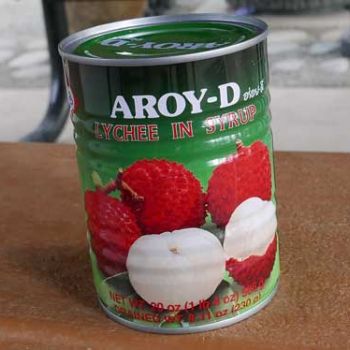
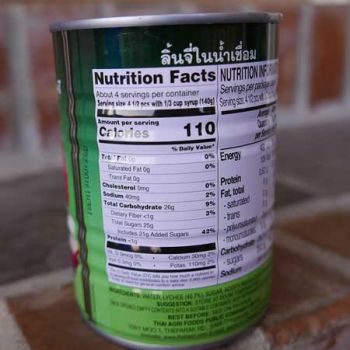
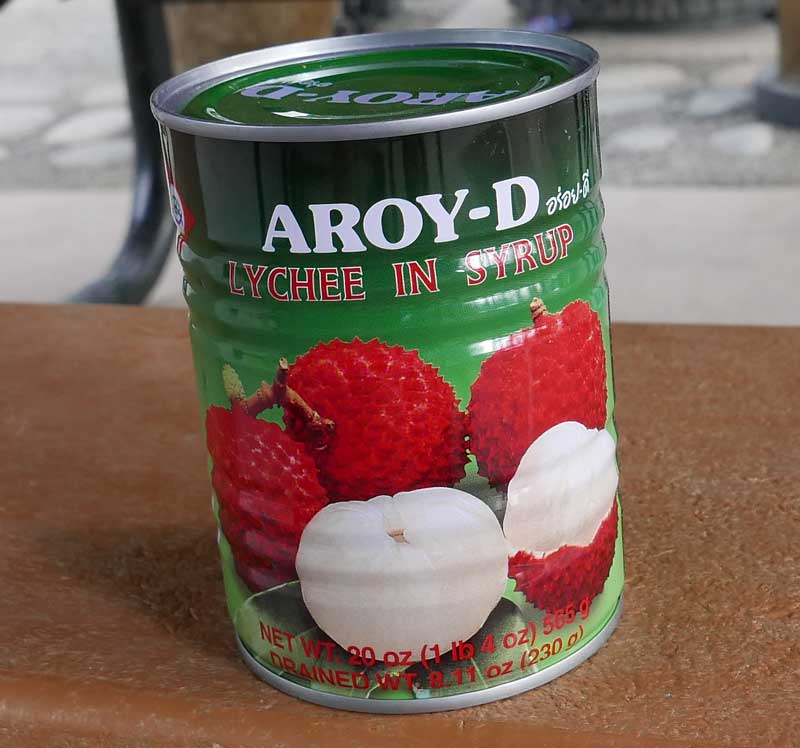
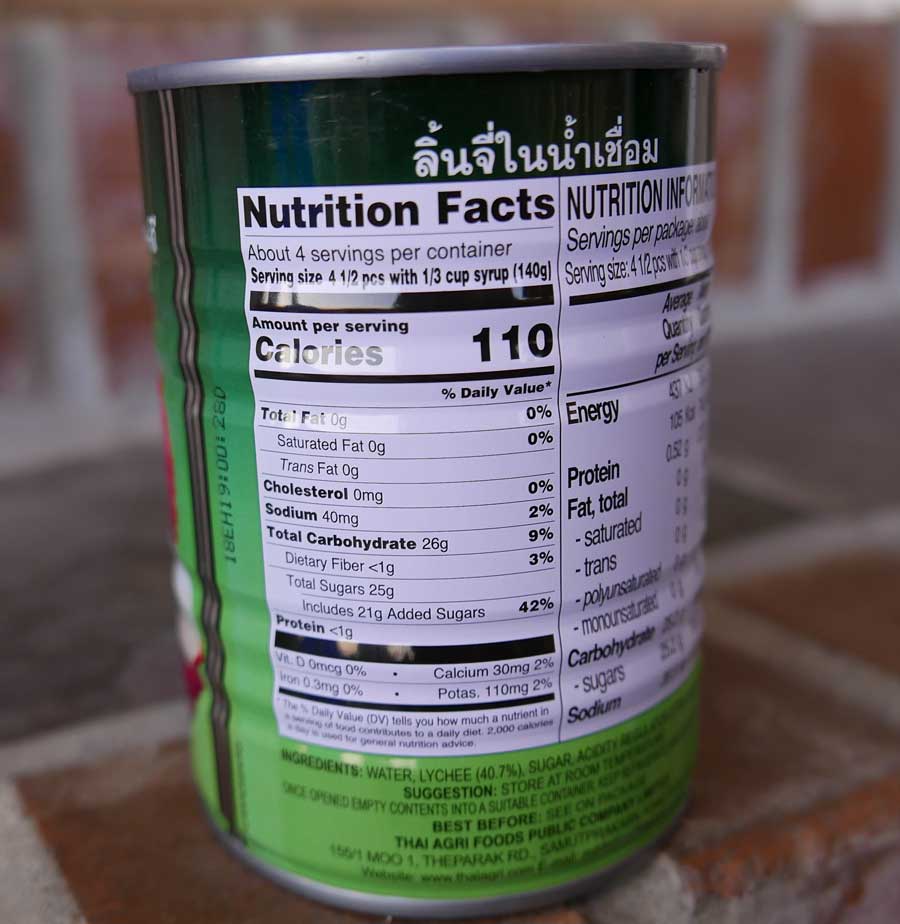
Canned Lychee available online, Click Here!
Medicinal uses: Ingested in moderate amounts, the lychee is said to relieve coughing and to have a beneficial effect on gastralgia, tumors and enlargements of the glands. One stomach-ulcer patient in Florida, has reported that, after eating several fresh lychees he was able to enjoy a large meal that, ordinarily, would have caused great discomfort. Chinese people believe that excessive consumption of raw lychees causes fever and nosebleed. According to legends, ancient devotees have consumed from 300 to 1,000 per day.
In China, the seeds are credited with an analgesic action and they are given in neuralgia and orchitis. A tea of the fruit peel is taken to overcome smallpox eruptions and diarrhea. In India, the seeds are powdered and, because of their astringency, administered in intestinal troubles, and they have the reputation there, as in China, of relieving neuralgic pains. Decoctions of the root, bark and flowers are gargled to alleviate ailments of the throat. Lychee roots have shown activity against one type of tumor in experimental animals in the United States Department of Agriculture/National Cancer Institute Cancer Chemotherapy Screening Program.
|
|